Materials
Flooring Materials: Standards & Subfloors
Compare flooring materials by ASTM, NALFA, NWFA and ANSI wear classes, concrete moisture test limits, and subfloor flatness rules before finish selection.
Author profile
Building materials specifications and standards desk
Technical specifications, standard test methods, and assembly compatibility criteria for commercial and residential construction materials.
Published work
Compare flooring materials by ASTM, NALFA, NWFA and ANSI wear classes, concrete moisture test limits, and subfloor flatness rules before finish selection.
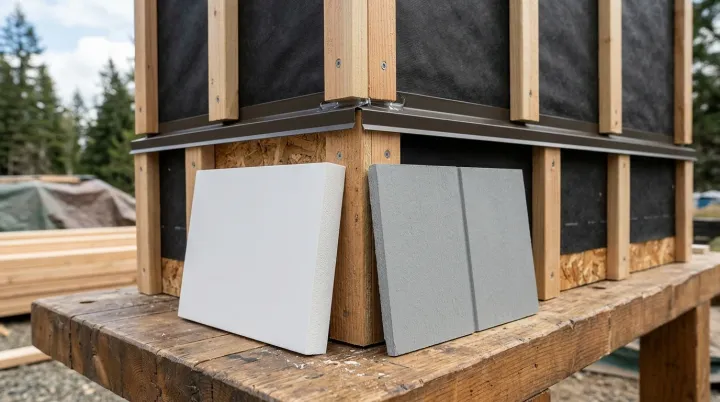
Compare 4x8 cellular PVC, extruded PVC, and fiber-cement exterior wall panels by ASTM D570 water absorption, thermal expansion, Z-flashing, and WRB drainage.
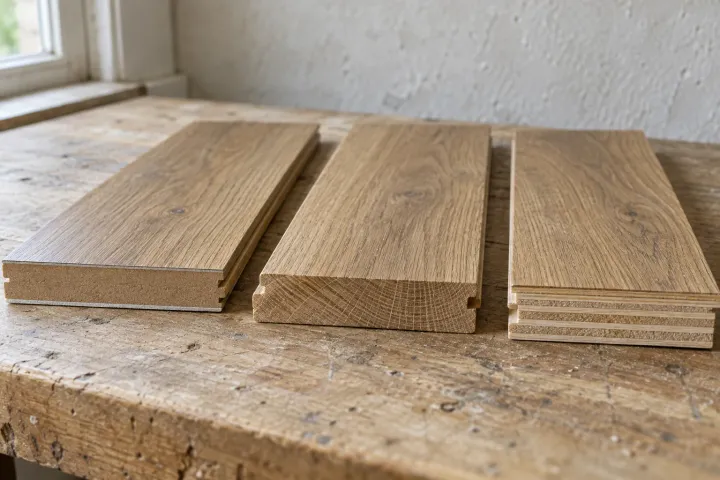
Compare decorative wood panels for walls across slatted grille systems, combination-core hardwood plywood, and solid tongue-and-groove lumber.
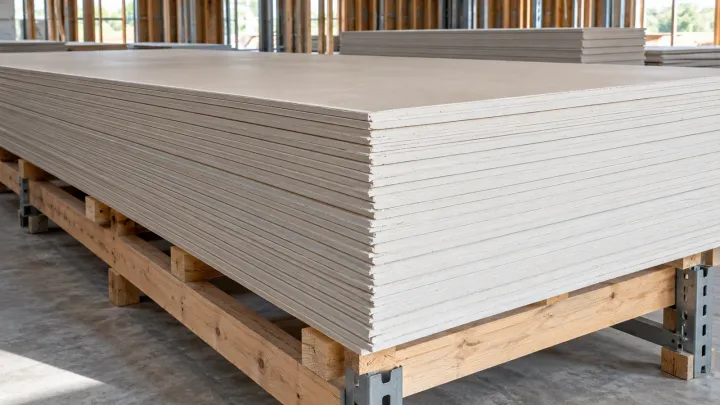
Choose drywall sheets with a product-marking checklist, named thickness examples, ceiling application checks, and moisture-board selection guidance.
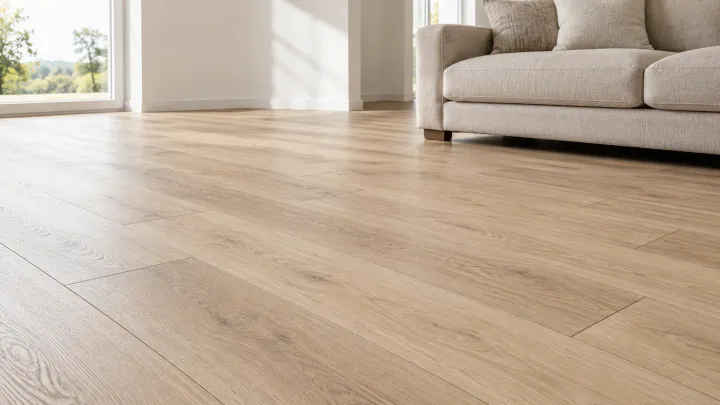
Understand laminate flooring layers, AC abrasion classes and wet-area limits. Check roll-format listings, compare colors and keep a product selection record.
Specify precast, GFRC, UHPC, and sandstone or slate concrete wall panels by psf dead load, PCI MNL-128 flex/undercut anchors, and ASTM C1193 rainscreen joints.
Select PVC ceiling tiles and 2x4 ceiling panels by thickness (0.013 in, 4–5 mm cellular PVC, or 1/2 in vinyl-gypsum), ASTM E84 Class A fire rules, and grid.
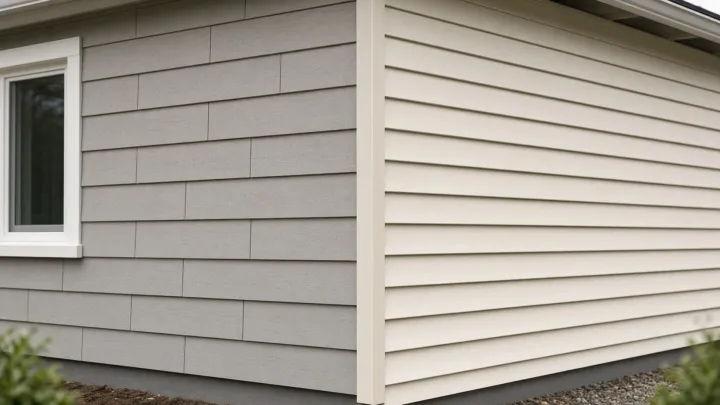
Fiber cement and vinyl lap siding compared by movement, fastening, clearances, cutting controls, and the repairs each failure actually costs.
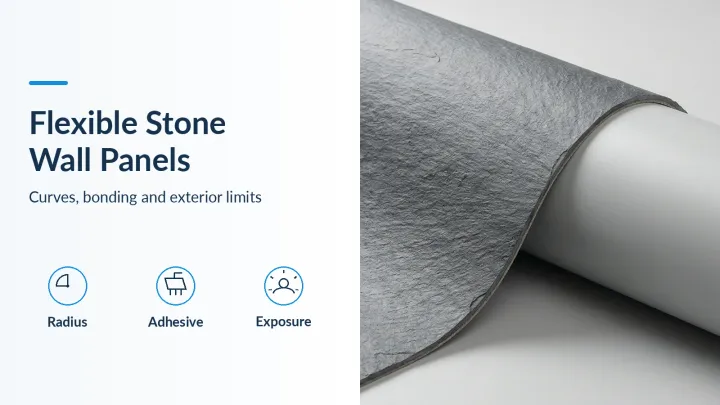
Compare flexible stone wall panels by construction, bend radius, adhesive and exterior limits, with a curved-panel calculation and bond-failure checks.
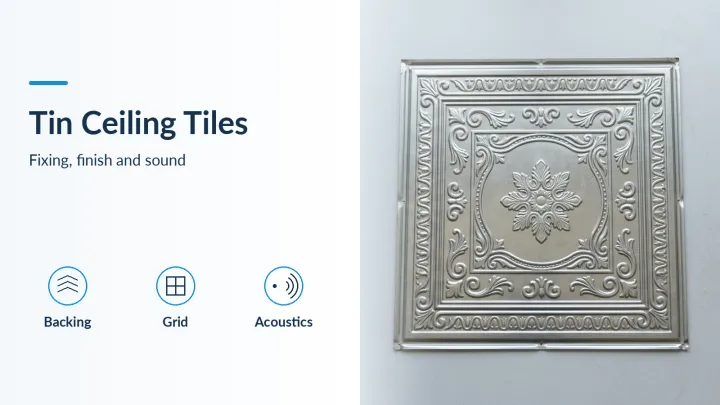
Select tin ceiling tiles by base metal, fixing method, grid fit and acoustic build-up, with product-specific backing checks and a panel-count example.
How to compare building materials in the context of environmental impact using Environmental Product Declarations (EPDs), PCRs, and system boundaries.
Investigate laminate gaps, peaking and movement by mapping symptoms, checking restraints and comparing subfloor and joint details with the actual product instructions.
Separate surface water, room humidity and subfloor moisture. Match flooring tests to product documents and use a blank investigation record before replacing the finish.
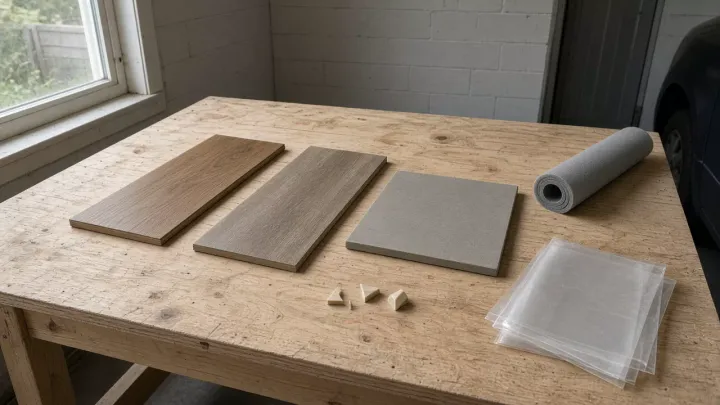
Match underlayment, gaps and adhesive to the installation system before buying. Floating laminate, rigid-core vinyl and set tile do not share one supply list.
Compare vinyl and ceramic or porcelain tile by subfloor flatness, movement gaps, moisture tests and repair documents for the same room.
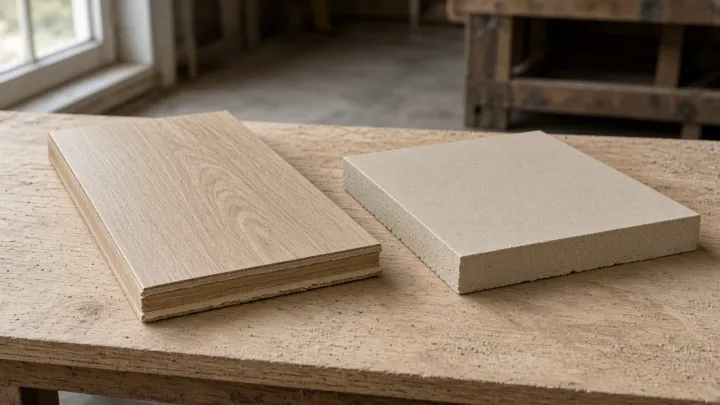
Compare laminate and hardwood by construction, repair route, engineered-wood sanding limits, moisture records and product warranty exclusions before you buy.
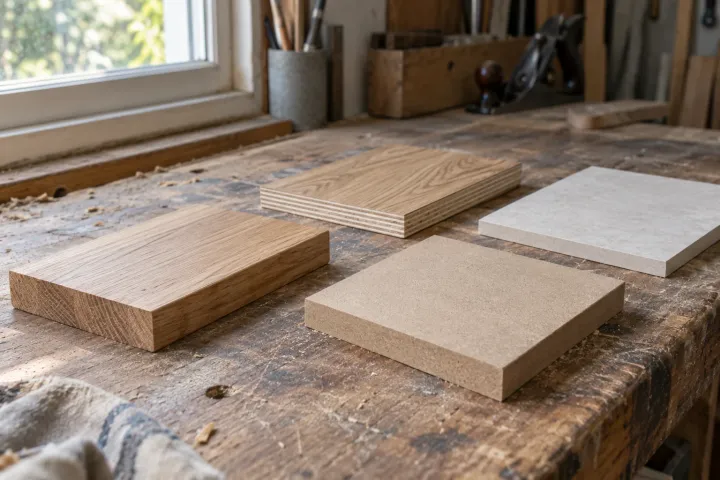
Choose interior wall panels by facing, backing and room conditions. Compare wood, sheets and drywall, then check fire evidence and installed-cost scope.
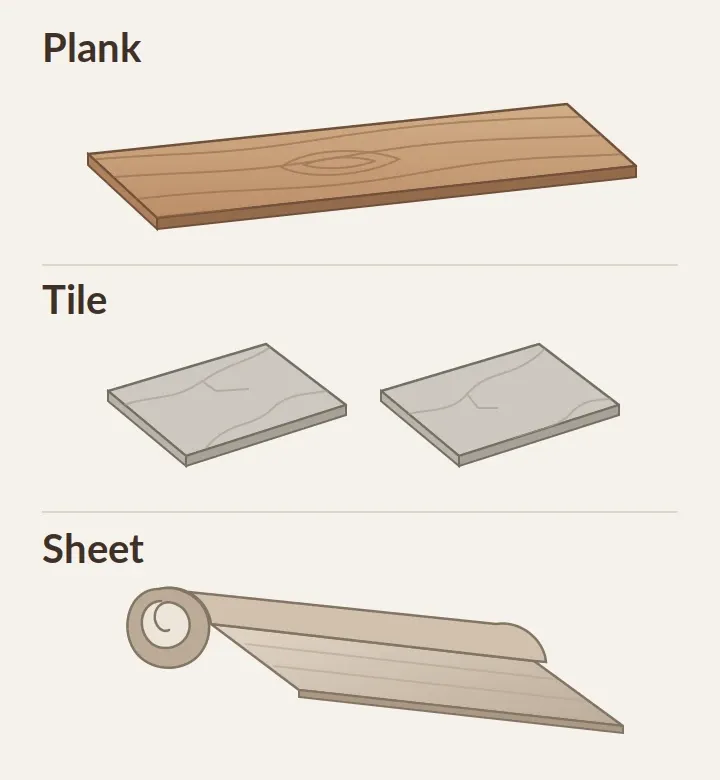
Understand plank, tile and sheet vinyl formats, flexible and rigid-core construction, sheet roll widths, backings, seams, bathroom edges and current standards.
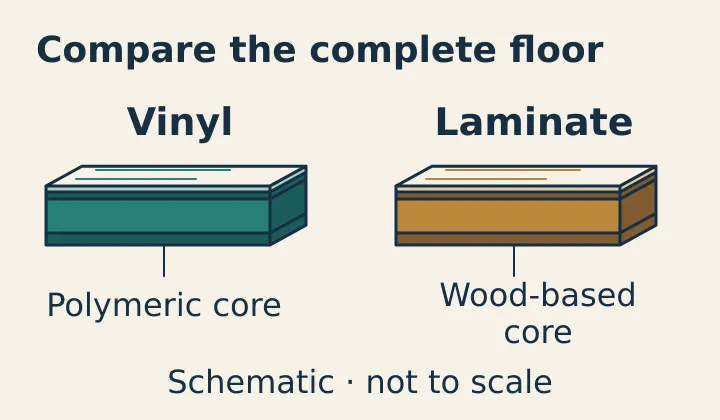
Compare vinyl and laminate flooring by core, current standards, product-specific water warranties, wear evidence, subfloor preparation and care.