Featured · October 11, 2026
Laminate vs Hardwood: Repair and Moisture
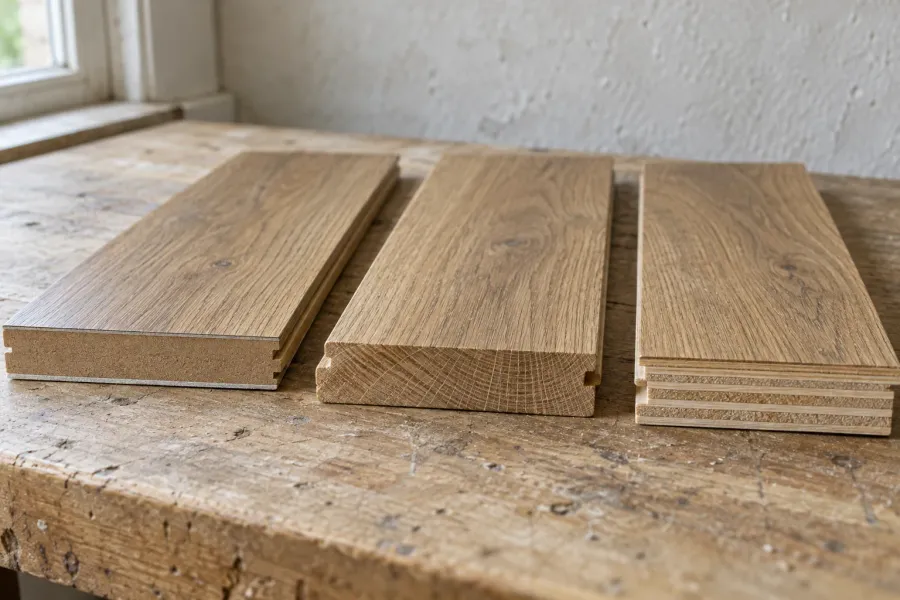
Compare laminate and hardwood by construction, repair route, engineered-wood sanding limits, moisture records and product warranty exclusions before you buy.
Published with sources
Independent guides for architects, specifiers, and builders who need comparable performance data before they choose a cladding or finish system.
21 guides in the library. Performance values are dated ranges, each attributed to its source.
Featured · October 11, 2026
Compare laminate and hardwood by construction, repair route, engineered-wood sanding limits, moisture records and product warranty exclusions before you buy.
What you get
Know whether the system is a panel, a veneer, or a full thickness unit before the drawing set locks.
Durability, moisture, weight, fire, and maintenance sit side by side, each range tied to a source.
Climate, substrate, and install method set the shortlist. Finish comes after those constraints.
Embodied carbon and end of life sit next to how long the finish actually lasts on the wall.
Choosethesystemthatfitsthebuilding notthesamplethatphotographswell
How it works
1
Start with climate, substrate, building type, and who will install it. Those four facts cut most of the catalog.
2
Read moisture, weight, fire, and maintenance as published ranges, not as marketing adjectives.
3
Check movement joints, backup wall, and maintenance access before the finish is locked in the package.
Orientation
What changes when a finish material goes outside — absorption, freeze-thaw, fire at assembly level, thermal movement and the drainage plane behind everything.
A working sequence for selecting finish materials — establish the constraints first, then shortlist, then verify against the assembly rather than the product.
Building materials organized by the job they do, with the different criteria used to select finishes, structure, insulation and other systems.
From the material library
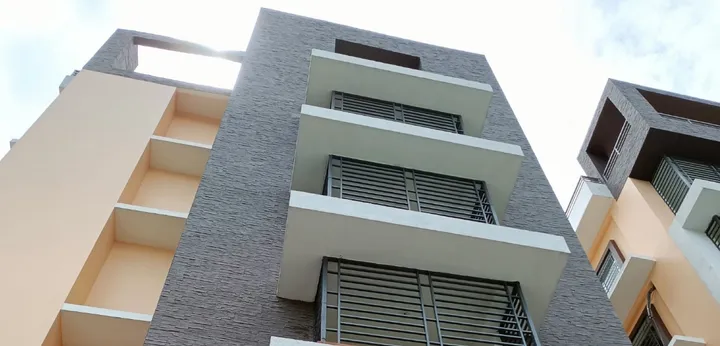
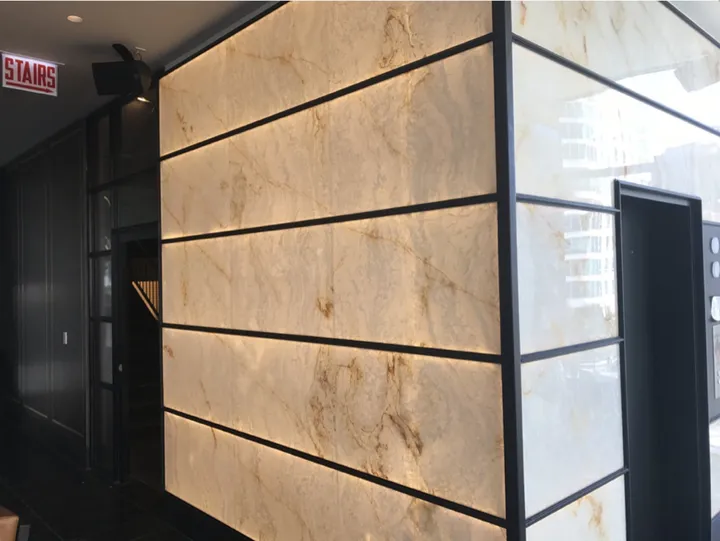
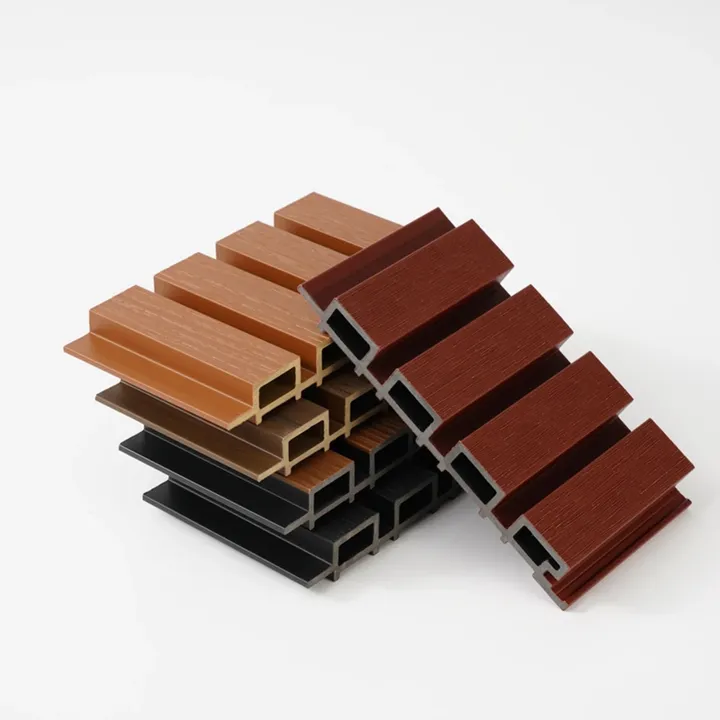
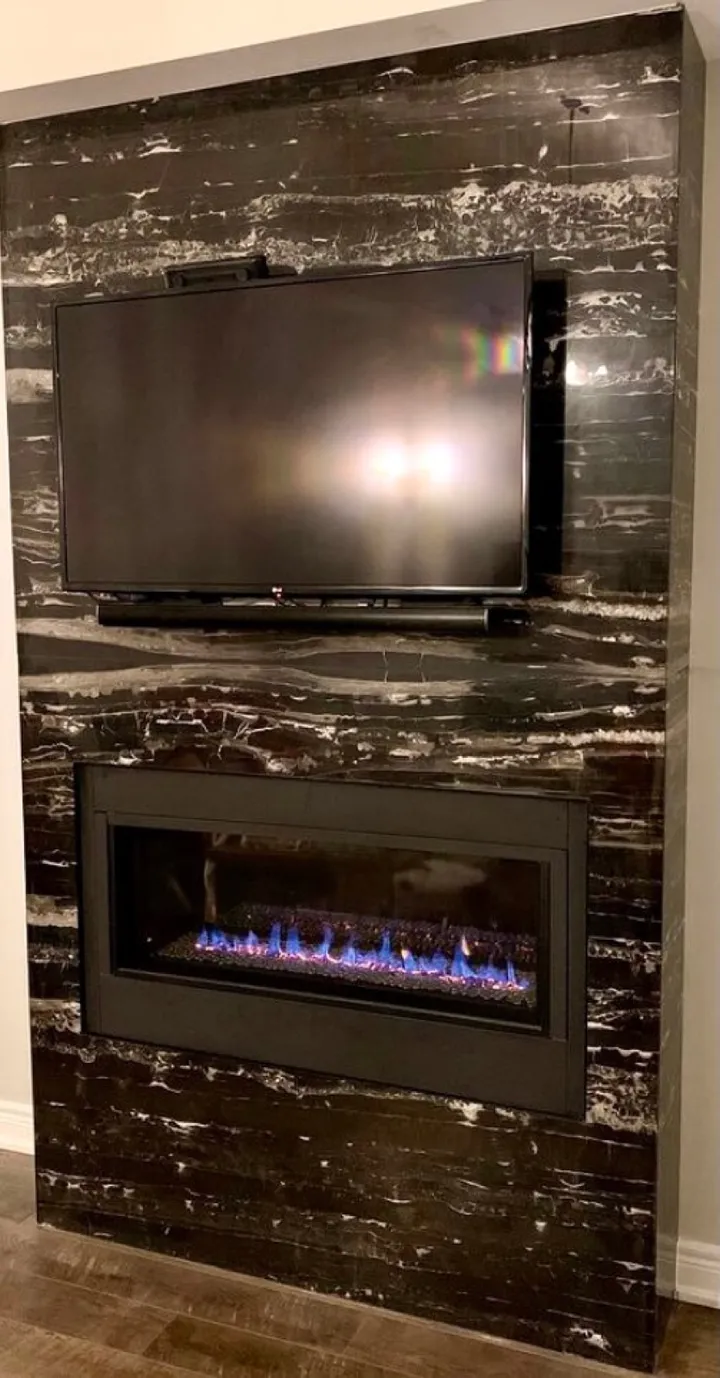
Photographs are manufacturer project or product shots, used for illustration. They are not test data and they are not an endorsement.
Material
Exterior wood cladding guide: EN 350 durability vs EN 335 use classes, installation moisture, rainscreen cavity, fasteners for cedar and fire rules by jurisdiction.
Cultured stone, or manufactured stone veneer, explained through ASTM C1670 and C1780, including the water-management failures that dominate its record.
Fiber cement cladding explained — what ASTM C1186 covers, why cutting it is a regulated silica exposure, and what the substrate and finishing demands are.
Application
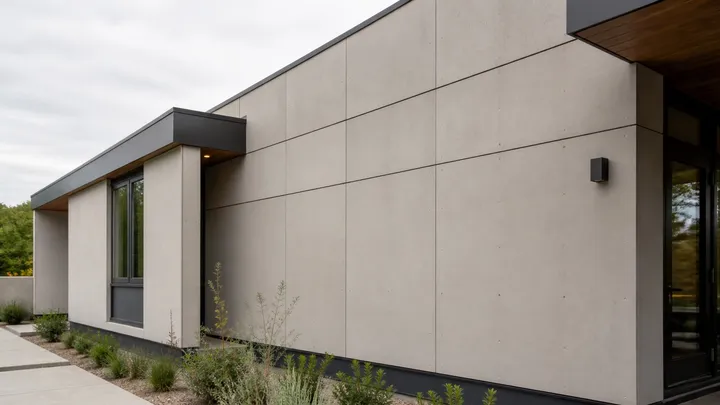
Choose exterior wall cladding by climate exposure, fire assembly testing, weight, substrate and drainage — fiber cement, metal, porcelain and stone compared.
Comparison
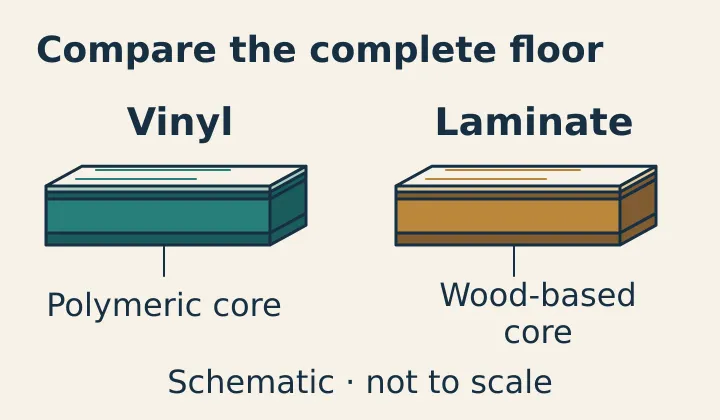
Compare vinyl and laminate flooring by core, current standards, product-specific water warranties, wear evidence, subfloor preparation and care.
Fiber cement and metal cladding compared on standards, fire compliance, site handling, thermal movement and the maintenance cycle each one commits you to.
Flexible stone veneer and natural stone veneer compared on weight, standards, exposure limits and where each option is the only workable choice.
How we publish
Guides evaluate composition, performance, installation, maintenance, application fit, and the technical documents behind them. Values are published as ranges, attributed to their source, and dated.
Questions
An independent library of building material guides. We publish composition, performance ranges, installation requirements, and application fit, with each figure attributed to its source and dated.
Architects, specifiers, contractors, and informed owners who need comparable numbers before they lock a cladding or finish system. The pages are written for specification work, not for browsing a catalog.
No. We do not sell materials, take placement fees, or rank systems by who advertised. A photograph from a manufacturer is labeled as illustration, not as a test result and not as an endorsement.
Values are published as ranges taken from manufacturer data, standards, and technical literature. They are not a substitute for a project specific test. Each range names its source so you can go back to the original document.
Use it to shortlist systems against climate, substrate, and install method, then confirm the chosen product with current manufacturer literature and the project engineer. The guide is orientation, not a stamped spec.
A guide is revised when the underlying source changes or when we find an error. The updated date is on the page. Corrections follow the fact checking policy.
Project and product shots from manufacturers and public material libraries. They show typical use. They are not performance data.
Yes. Every guide is free to read. There is no account, no paywall, and no newsletter gate on the articles.
Start with the library
Open the material families, compare the ranges that matter, and read the install constraints before the finish is locked.
Browse material guidesFree to read. No account required. Every range cites its source.